
- Home
- Blog
- Sure! Here's an SEO-friendly title without the brand name: "China PLA Plastic Bottles: Sustainable Packaging Solutions and Market Trends
Sure! Here's an SEO-friendly title without the brand name: "China PLA Plastic Bottles: Sustainable Packaging Solutions and Market Trends
By:Admin
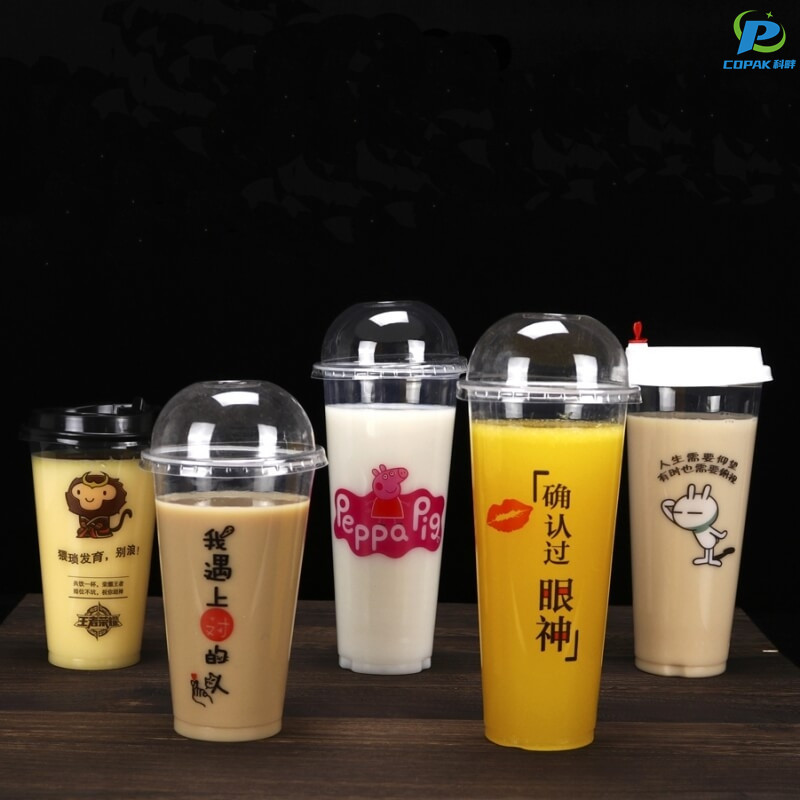
In recent years, the global call for sustainable and eco-friendly products has intensified, prompting numerous companies to innovate and adapt to the evolving environmental standards. Among these innovations, polylactic acid (PLA) plastic bottles have emerged as a promising alternative to traditional petroleum-based plastics. China, as a key player in the global packaging market, is increasingly focusing on PLA plastic bottles, positioning itself at the forefront of green packaging solutions.
### The Rise of PLA Plastic Bottles in China
PLA plastic bottles, crafted from polylactic acid derived from renewable resources such as corn starch or sugarcane, offer a biodegradable and compostable alternative to conventional plastics. Unlike traditional plastics, which take hundreds of years to decompose and contribute significantly to pollution, PLA bottles break down naturally under industrial composting conditions within a few months, reducing environmental impact substantially.
China, the world’s largest packaging producer and consumer, recognizes the urgency of addressing plastic waste and pollution. Legislative pressures and consumer demand for sustainable packaging are driving manufacturers to develop PLA plastic bottles that meet both functional and environmental criteria.
### Industry Overview and Innovations
The PLA plastic bottle market in China has witnessed significant growth due to advances in biopolymer technology and supportive government policies. Major manufacturers have invested in research and development to improve the mechanical properties, barrier performance, and scalability of PLA bottles. These improvements allow PLA bottles to be used across diverse sectors, including beverages, cosmetics, and pharmaceuticals.
Companies have also focused on developing PLA bottles with enhanced heat resistance and clarity, making them competitive with traditional PET bottles. Innovations such as PLA blends and multilayer structures enhance durability while maintaining biodegradability. Additionally, PLA bottles often feature compatibility with existing recycling infrastructures, facilitating easier adoption by manufacturers and consumers.
### Environmental and Economic Benefits
The adoption of PLA plastic bottles presents several environmental advantages. By utilizing renewable raw materials, PLA reduces dependence on fossil fuels and lowers greenhouse gas emissions throughout the product lifecycle. Furthermore, the compostability of PLA bottles helps reduce landfill waste and marine pollution, aligning with China’s national goals for carbon neutrality and environmental protection.
Economically, PLA bottle production stimulates new sectors within agriculture and bioplastics manufacturing, generating employment and fostering technological innovation. Export opportunities also expand as global markets increasingly favor sustainable packaging solutions, positioning Chinese manufacturers as leaders in green technology.
### Challenges and Future Prospects
Despite promising benefits, the widespread adoption of PLA bottles in China faces challenges. Higher production costs compared to conventional plastics remain a barrier, although economies of scale and technological advancements are gradually narrowing this gap. Additionally, the need for specialized composting facilities to properly degrade PLA products requires infrastructural development and increased public awareness.
To address these challenges, collaboration among manufacturers, policymakers, and consumers is essential. Initiatives focused on incentivizing green products, investing in composting infrastructure, and educating the public on sustainable disposal practices are critical to maximizing the environmental benefits of PLA bottles.
Looking ahead, the PLA plastic bottle market in China is expected to grow robustly. Continued innovation will likely lead to improved product performance and cost-effectiveness. As international standards for biodegradability and sustainability evolve, Chinese producers are well-positioned to meet global demand for eco-friendly packaging.
### Company Introduction
[Company Name], a pioneering entity in China’s packaging industry, has been at the forefront of PLA plastic bottle development and production. Founded with a commitment to sustainability and innovation, the company specializes in delivering high-quality PLA bottle solutions tailored to the needs of various industries.
With state-of-the-art manufacturing facilities and a dedicated R&D team, [Company Name] ensures that its PLA bottles meet strict environmental and performance standards. The company prioritizes research into biodegradable materials and sustainable production methods, maintaining a commitment to reducing the ecological footprint of packaging.
[Company Name]'s product portfolio includes a wide range of PLA bottles designed for beverages, personal care products, and food packaging. Its bottles are engineered for enhanced durability, clarity, and compostability. By offering customizable designs and sizes, the company caters to diverse market demands while supporting clients' sustainability goals.
In addition to product innovation, [Company Name] actively engages in industry collaborations and environmental initiatives. The company frequently partners with academic institutions and government agencies to promote sustainable packaging practices and educate stakeholders on the benefits of bioplastics.
As a socially responsible organization, [Company Name] integrates circular economy principles into its operations, striving to minimize waste and encourage material reuse. Its commitment to quality and sustainability has earned the company recognition in both domestic and international markets, strengthening its position as a leader in PLA packaging solutions.
### Conclusion
China's transition towards sustainable packaging is embodied in the growing production and adoption of PLA plastic bottles. With significant environmental advantages and the support of innovative companies like [Company Name], PLA bottles represent a vital step in reducing plastic pollution and fostering a greener economy.
Although challenges in cost and infrastructure persist, ongoing advancements and collaborative efforts promise a bright future for PLA plastic bottles in China. As consumer awareness rises and global sustainability standards tighten, PLA packaging will increasingly become the preferred choice for environmentally conscious manufacturers and consumers alike.
Embracing this green technology not only benefits the planet but also opens new economic opportunities, affirming China’s commitment to sustainable development and global environmental stewardship.